

News
How to unclog a drain

Oct
Every home faces clogged drains that turn ordinary days into stressful ones. Slowly rising water while brushing teeth or an overflowing toilet can strike unexpectedly. These situations disrupt your peace, leaving you feeling helpless at home. Yet, you don’t always need a professional to unclog drains. Equipped with the right tools and techniques, tackling stubborn clogs is possible on your own.
Envision water flowing smoothly down the pipes, and the sense of control regained. This guide aims to offer practical, DIY solutions for drain unblocking. We aim to restore your home’s harmony.
Key Takeaways
- Understanding different types of drain blockages can help you choose the right solution.
- Common causes of clogs include hair, soap scum, and food waste.
- Simple DIY methods such as using boiling water or a plunger can often solve the problem.
- If DIY methods fail, knowing when to call a professional can save you time and money.
- Preventative measures can help avoid future blockages, ensuring your pipes remain clear.
Let’s explore the realm of home plumbing solutions. It’s time to learn how to maintain clear and fully functional drains.
Understanding The Common Causes of Clogged Drains
Many Australian homes frequently deal with blocked drains. Various factors lead to these blockages, each stemming from different sources. We’ll explore the key reasons behind these issues.
Food
Food scraps are a prime cause of clogged kitchen sinks. Typical culprits are coffee grounds, eggshells, and fibrous veggies. To avoid blockages, dispose of food waste in bins, not sinks.
Hardened Grease
Grease and fat accumulation is a top cause of drain blockages. These substances harden in pipes over time, causing major clogs. Grease clog removal often requires experts, so it’s wise not to dump fats and oils down drains.
Soap Scum
Soap scum is created when soap’s fatty acids react with water minerals. This residue narrows pipes, reducing water flow. Using soap-free cleaners and frequent drain cleaning can combat this issue.
Foreign Objects
Foreign items such as jewelry, dental floss, and toys often lead to blockages. To prevent clogs, keep these away from drains. Drain guards are also effective in catching such objects.
Hair
Hair often blocks bathroom drains, intertwining with soap scum for a tough clog. Removing hair frequently and using catchers can significantly prevent hair clogs.
Tree Roots and Garden Debris
Invading tree roots pose a major threat to sewer lines, especially in older properties. They break into pipes, causing serious blockages. Leaves and other debris also clog outdoor drains after storms or in autumn. Maintain clean yards and gardens to avoid these problems.
Different Types of Drains That Can Get Clogged
Various sections of the plumbing, such as sinks, toilets, and showers, can become blocked. Each type has its own challenges due to their design and use, often needing bespoke solutions for clearing.
Sink Drains
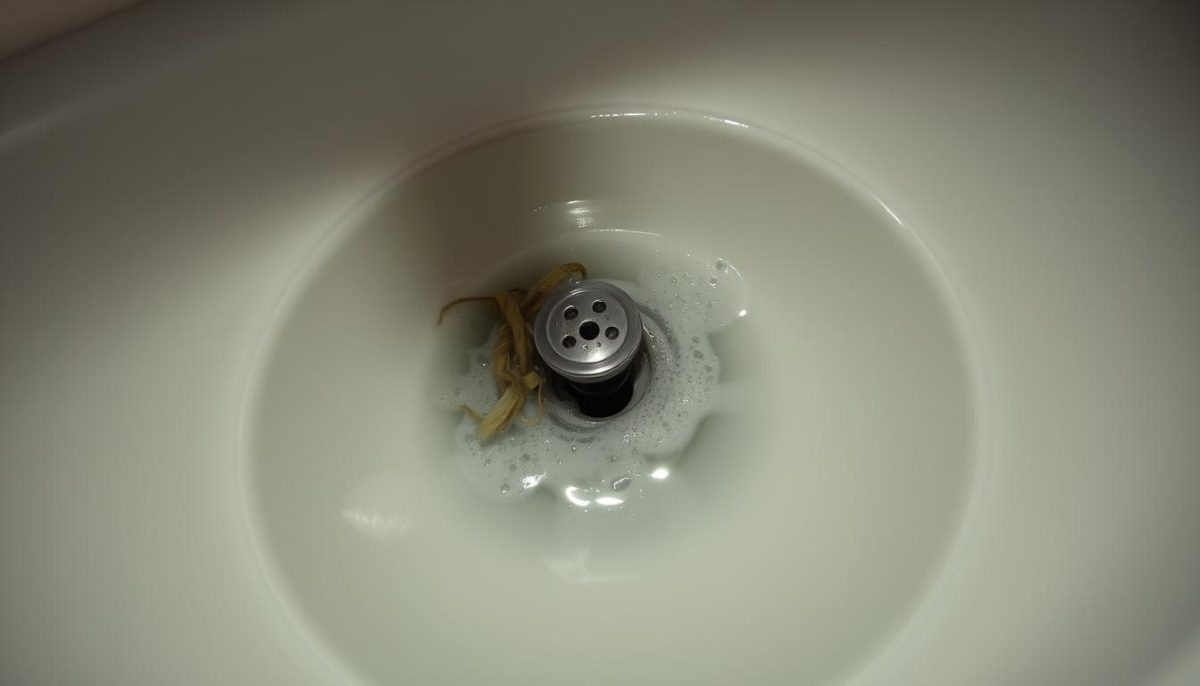
Kitchen sink clogs often stem from food waste, congealed fat, and soap scum build-up. Conversely, bathroom sink blockages are typically caused by hair and soap accumulation. These blockages differ in complexity and usually require methods like plunging or hot water flushes for removal.
Toilet Drains
Common toilet issues arise from flushing too much paper or waste. These blockages can disrupt daily life and pose health risks. Resolving these requires a drain snake or professional help for effective unclogging.
Shower Drains
Clearing shower drains involves tackling clogs from loose hair and soap. These materials block water flow over time, resulting in slow showers. Regular cleaning and using items like a coat hanger can maintain shower drain efficiency.
Understanding the specific causes and remedies for these drain types can make solving blockage issues more straightforward, keeping your home’s plumbing running smoothly.
Signs Your Drain Might Be Blocked
Blocked drain symptoms can often be subtle at first but become more apparent over time. Identifying plumbing issues early can save you from costly repairs. Below are several signs of clogged pipes you should watch out for.
Foul Smell
A foul odour from your sinks, toilets, showers, or bathtubs is a common sign of clogged pipes. This smell usually means organic matter in the pipe is decaying.
Overflowing
Overflowing water is another clear sign of clogged pipes. You might notice water backing up into basins, tubs, or showers. This happens when a blockage stops water from draining properly, causing it to come up through the lowest fixture.
Gurgling Sounds
Gurgling noises in pipes, especially when flushing the toilet, can suggest a blocked sewer drain. This noise indicates trapped air is pushed through due to a blockage.
Slow Draining
A slow-draining sink or shower is a typical symptom of a blocked drain. If your sink or shower is draining slowly, it could mean debris is blocking the flow. Sinks should drain quickly without any backwash or bubbles.
First Things to Try When Unclogging a Drain
When confronted with clogged drains, it’s essential to first try simple yet effective techniques at home. Here are a few practical steps for DIY unclogging.
Boiling Water
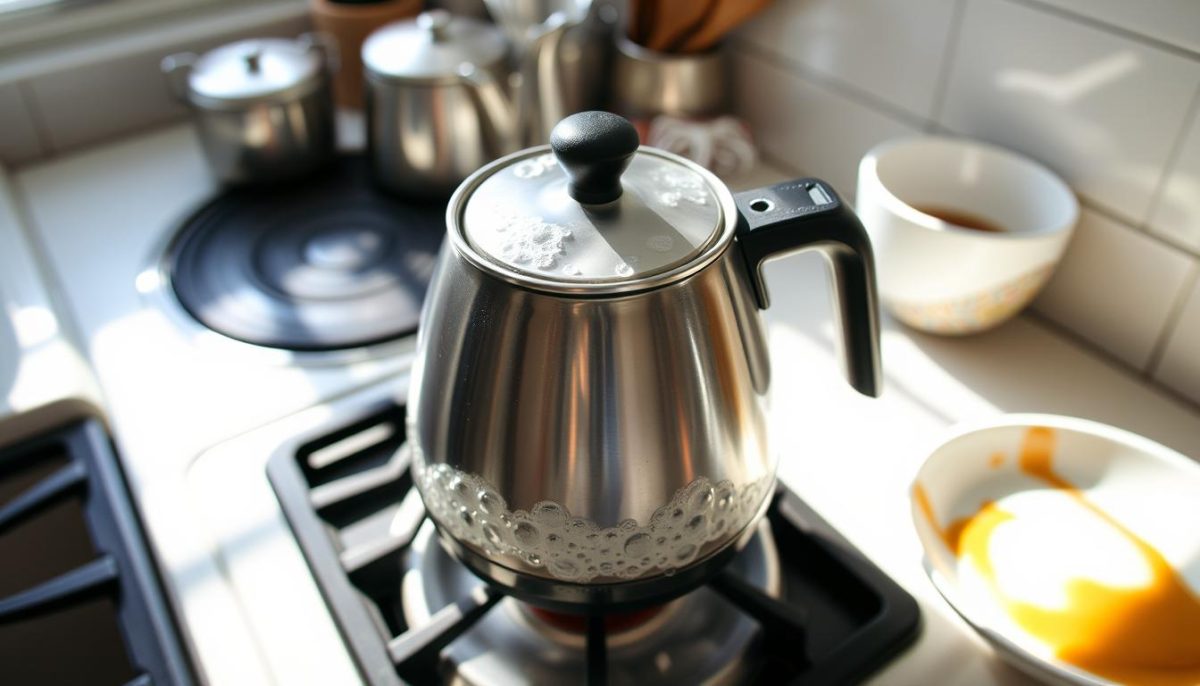
Boil water and pour it down the drain in stages for grease clogs. This approach allows the hot water to work on the grease build-up, breaking it down. It’s an effective way to clear clogs caused by grease or oil in the pipes.
Plunger
A plunger can be a highly effective tool for clearing blockages DIY. Position it over the drain for a strong seal, then push and pull steadily. This rhythmic motion creates suction to dislodge blockages. Continue until water flow improves.
These strategies are ideal for initial attempts at unclogging drains. However, note that tougher clogs may need further actions or professional help.
Using a Plunger Effectively
Mastering the art of plunger use techniques is vital for dealing with household issues. In Australia, where the population tops 26 million, blocked drains are a common problem. Homeowners must be proficient at addressing these issues.
To resolve sink blockages effectively, gathering the right tools is the first step. You need a suitable plunger. Cup plungers are great for minor blockages in sinks and showers, while flange plungers are made for toilet unblocking.
- Position the plunger over the drain, ensuring a tight seal is formed.
- Plunge with force, executing vertical movements for about 20 seconds.
- Check if the clog is dislodged by observing any improvements in drainage.
- If necessary, repeat the process until the blockage clears fully.
Before starting, conducting initial checks is crucial. Ensure there’s ample water in the sink or toilet to support effective plunging. For unblocking the toilet, it may be necessary to remove some water to get a proper seal. Covering any overflow holes aids in creating the necessary vacuum effect.
If plunges fail to clear the issue, other strategies can help. Using hot water, baking soda, and vinegar or a drain snake might be effective. Keeping drains clean and using a drain cover prevents future blockages.
Plungers are versatile tools for different blockages. Proper plunger use techniques are time savers, preventing the frustration of persistent clogs. They ensure your drains stay clear and functional.
Unclogging Drains with a Coat Hanger
The method of unclogging drains with a coat hanger can be quite effective. Here’s a simple guide to do it yourself:
Begin by straightening a wire coat hanger. Next, bend one end to form a hook. Gently insert the hook into the drain, being cautious not to push any obstructions deeper in.
“DIY pipe cleaning is an excellent way to manage minor clogs without the need for professional help.”
- Warning Signs of Clogged Drain:
- Pooling water in the shower or sink
- Slow drainage
- Odd odour from the drain
- Effectiveness of Wire Hanger:
- Effective for removing gunk, hair, and debris
- Requires proper technique to avoid pushing blockages down
This technique shines when you’re dealing with hair clogs near the surface. To remove a hair clog, use the hook to carefully extract the blockage. Flush the drain with hot water afterward to remove any remaining debris, ensuring your drain is as clear as possible.
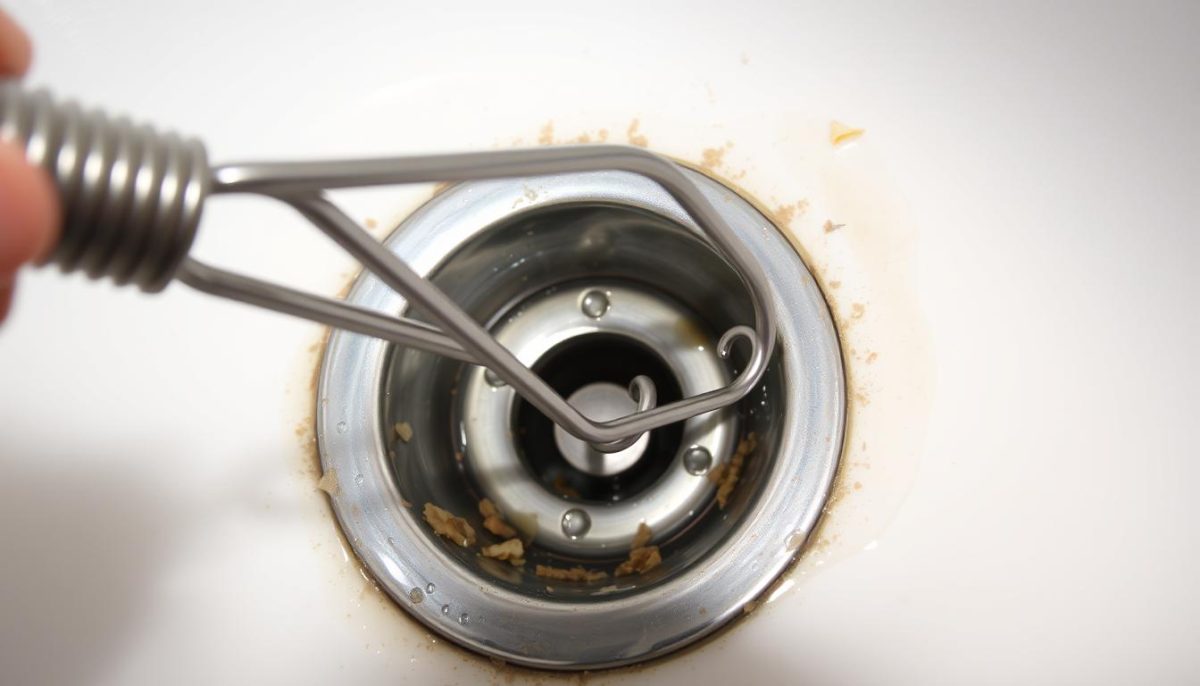
If the coat hanger method falls short, you might be facing a more significant block issue. At this point, consider using a drain snake or getting professional help. Employing DIY plumbing solutions like this can help save money on repairs and maintain smooth plumbing operations.
When to Use a Drain Snake and How
When the plunger doesn’t solve your problem, a drain snake becomes a must. This tool is cost-effective and adept at removing clogs deep within pipes, a dilemma that usually drives homeowners to call experts. It stands as a robust solution when dealing with stubborn blockages beyond a plunger’s reach.
Types of Drain Snakes
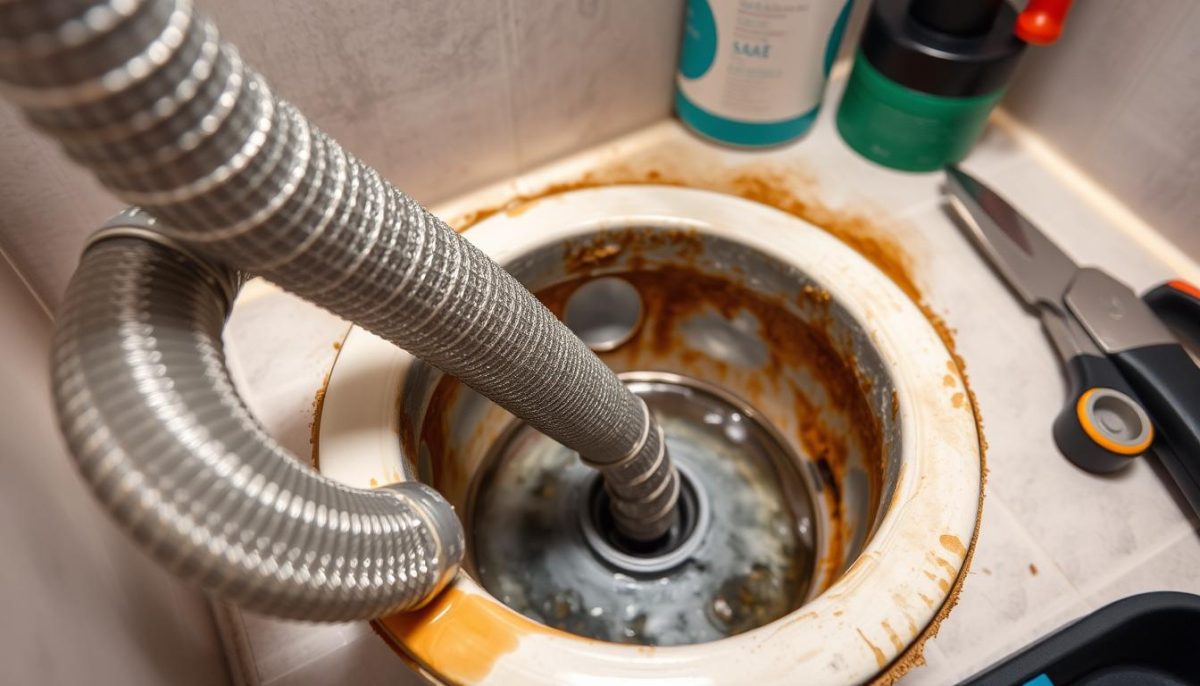
Drain snakes come in various forms, each suited for different issues. Minor blockages in sinks and showers often yield to a hand auger’s capabilities. But for clogs that resist easy fixes, a drum auger provides greater power. Professionals at Ezy-Plumb leverage top-tier augers for severe obstructions. It’s crucial to select an appropriate snake to avoid damaging pipes.
How to Use a Drain Snake
Utilizing a drain snake requires patience and attentiveness. Begin by gently guiding the auger into the blocked drain and rotating its handle slowly. Encountering resistance signifies you’ve hit the clog. Persist in turning the handle to disintegrate the clog, then gently pull out the snake, carrying debris with it. Take care to avoid harming your pipes in the process.
If you struggle with the blockage or it remains, professional help is advisable. Ezy-Plumb offers services like CCTV inspection and hydro-jet cleaning, providing a comprehensive approach to clearing blockages efficiently.
Hot Water to Clear Grease Clogs
Grease clogs are a common issue in kitchen sink drainage systems after extensive food prep. One effective method to tackle this is by using hot water treatment. This method can dissolve grease buildup effectively in your pipes.
As soaps and food particles lead to grease clogs, boiling water acts as an efficient solution. The heat from boiling water melts down the grease. It also dissolves other substances with a low melting point within your plumbing.
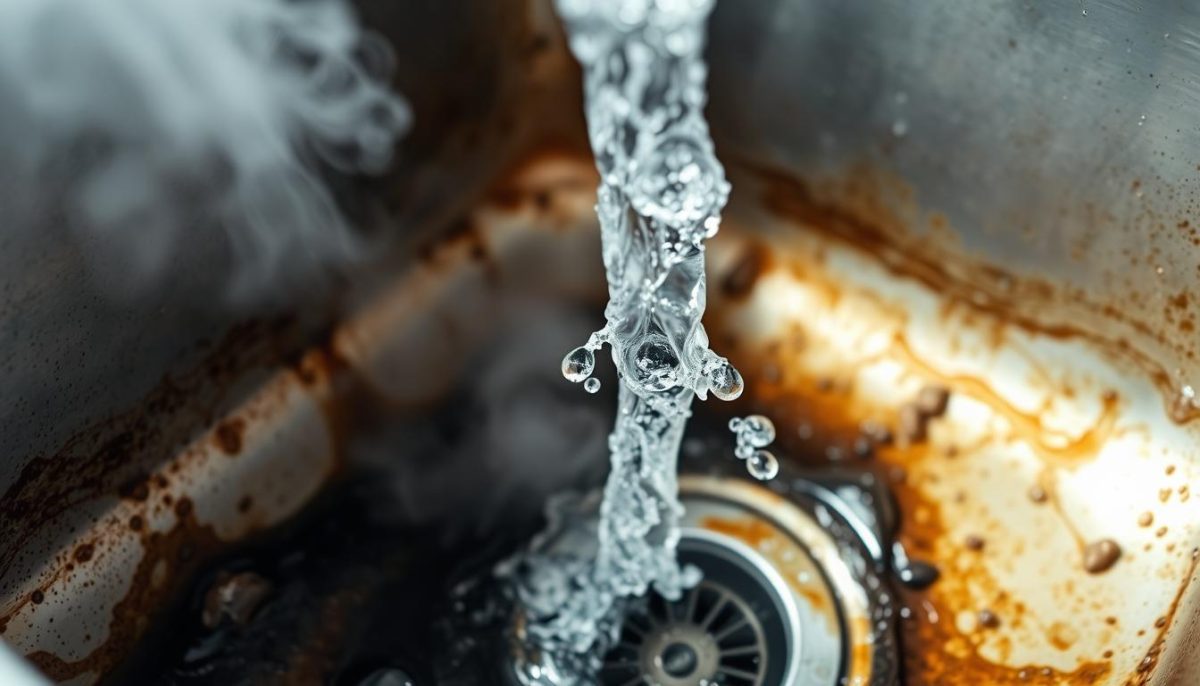
When using this method, pour boiling water down the drain step by step. This ensures a gradual clearance of any grease buildup. However, while effective for metal pipes, this method might harm PVC or plastic pipes. In such cases, kitchen sink drainage systems with plastic pipes should use a mix of boiling water and vinegar.
To avoid future clogs, mix baking soda, hot water, and vinegar for regular maintenance. This not only dissolves grease buildup but also deodorises your drains. For severe blockages, however, consider professional plumbing help to protect your drainage system.
Baking Soda and Vinegar Method
Seeking an eco-friendly way to unclog drains? The baking soda and vinegar method stands out. It’s a powerful solution often highlighted in drain cleaning guides. This approach showcases the effectiveness of natural drain cleaners against blockages. We will explore the step-by-step guide and understand the science behind it.
Step-by-Step Guide
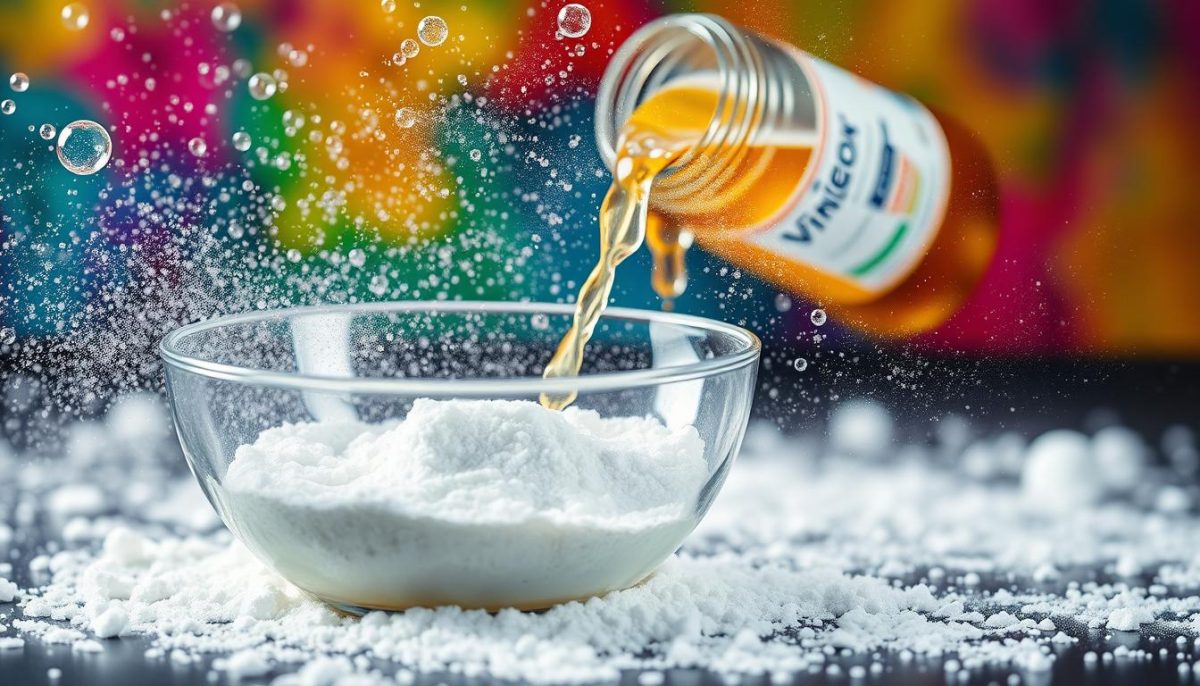
- Preparation: Pour about ½ cup (136 g) of baking soda down the drain. Ensure the entire quantity goes down smoothly for optimal results.
- Vinegar Application: Follow with ½ cup (118 mL) of white vinegar. The baking soda and vinegar reaction will create a fizzing action that helps break down the clog.
- Cover and Wait: Cover the drain with a damp cloth. Allow the mixture to sit for 1 hour. This duration allows the chemical reaction to work through the blockage.
- Flush with Boiling Water: After an hour, flush the drain with boiling water. This final step helps remove any remaining residue.
- Repeat if Necessary: For stubborn clogs, repeat the process 2 to 3 times. Persistence could be key to clearing persistent blockages.
The Science Behind It
The effectiveness of this method rests in the chemical reaction. Baking soda’s alkali traits mix with vinegar’s acetic acid. This mix produces carbon dioxide and water, creating a fizz that dislodges clogs.
Baking soda dissolves materials like grease. Vinegar’s acidity then breaks down deposits. Using baking soda regularly ensures drains remain free-flowing. It’s particularly effective in kitchens against grease and food particles.
And to prevent greasy build-up, flush drains with hot water and grease-fighting dish soap. This method is a cost-effective, eco-friendly alternative to harsh chemical cleaners. If a clog persists despite initial attempts, repeating the process or trying a salt and baking soda mix may be necessary.
Using Commercial Drain Cleaners
Commercial drain cleaners offer a powerful solution for challenging clogs that DIY methods struggle with. Liquid-Plumr and similar brands provide potent formulas. These use strong chemicals to break down blockages efficiently.
Advantages
- Effectiveness: Chemical clog removers excel at clearing stubborn blockages swiftly. In the US, top chemical drain cleaners generate $267 million in sales annually.
- Convenience: These products are easy to apply. Just pour the formula, whether liquid, powder, or gel, into the drain. Ingredients like sodium hydroxide or sulfuric acid then start working.
Disadvantages
- Health Risks: Chemicals, such as sodium hydroxide, pose significant risks. They can cause burns or respiratory issues if exposed for too long.
- Environmental Impact: Incorrect disposal can pollute waterways and damage ecosystems, underlining the importance of careful use and disposal.
- Potential Pipe Damage: Misusing products like Liquid-Plumr could harm metal pipes, degrade seals, and affect septic systems adversely.
Although commercial drain cleaners are effective, weighing their risks against their benefits is vital. For severe clogs or if pipe safety is a concern, seeking a professional plumber’s advice is recommended.
Clearing Drain Blockages with Coke or Pepsi
It’s quite unexpected, but Coke and Pepsi can clear drain blockages effectively. The phosphoric acid in these drinks breaks down grime and dissolves clogs. This offers a gentler alternative to harsh chemical cleaners, which use sodium hydroxide or sulfuric acid.
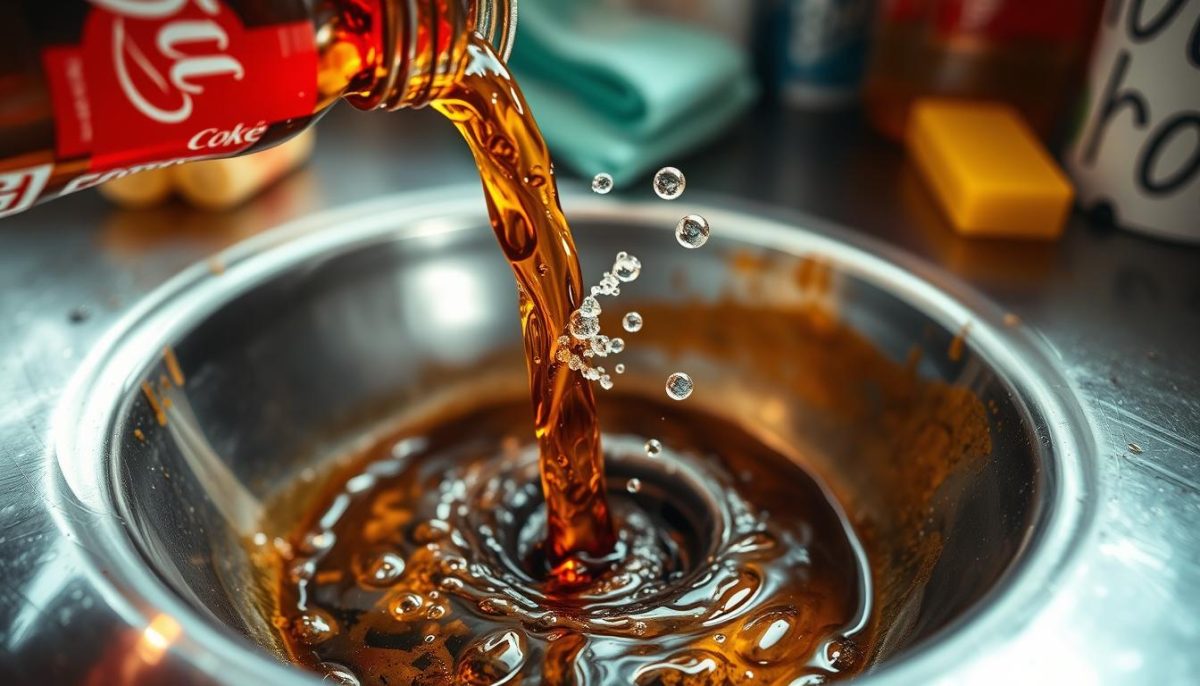
For this method, pour a 2-litre Coke down the drain at room temperature. Let it sit for several hours, or overnight, for the acid to tackle the blockage. Then, flush the drain with hot water to clear any residue. This approach can be especially useful for tough clogs that resist other methods.
Similarly, Pepsi can be used to clear pipes, offering the same benefits with its acidic properties. For maximum effectiveness, ensure the drain is free from standing water before applying the cola. This allows the drink to directly contact the clog, improving its ability to clean.
However, Coke and Pepsi might leave a sticky residue, which could cause more blockages if not properly rinsed out. For minor clogs, a mix of 1 cup baking soda and 1 cup vinegar may work better. Both cola-based and baking soda-vinegar solutions are great for those avoiding harsh chemical cleaners.
Should DIY attempts like using Coke or Pepsi not succeed, consider calling a professional. Licensed plumbers have the necessary skills and tools to resolve severe blockages, keeping your drains running smoothly.
What to Do If DIY Methods Fail
Trying your best but still facing a stubborn blockage can be frustrating. When DIY fails, like a failed drain unclogging, it’s time to think about more specialized help. You might ponder when to call a plumber. If you’ve tried plunging, boiling water, or a mix of baking soda and vinegar without success, seeking a professional is wise.
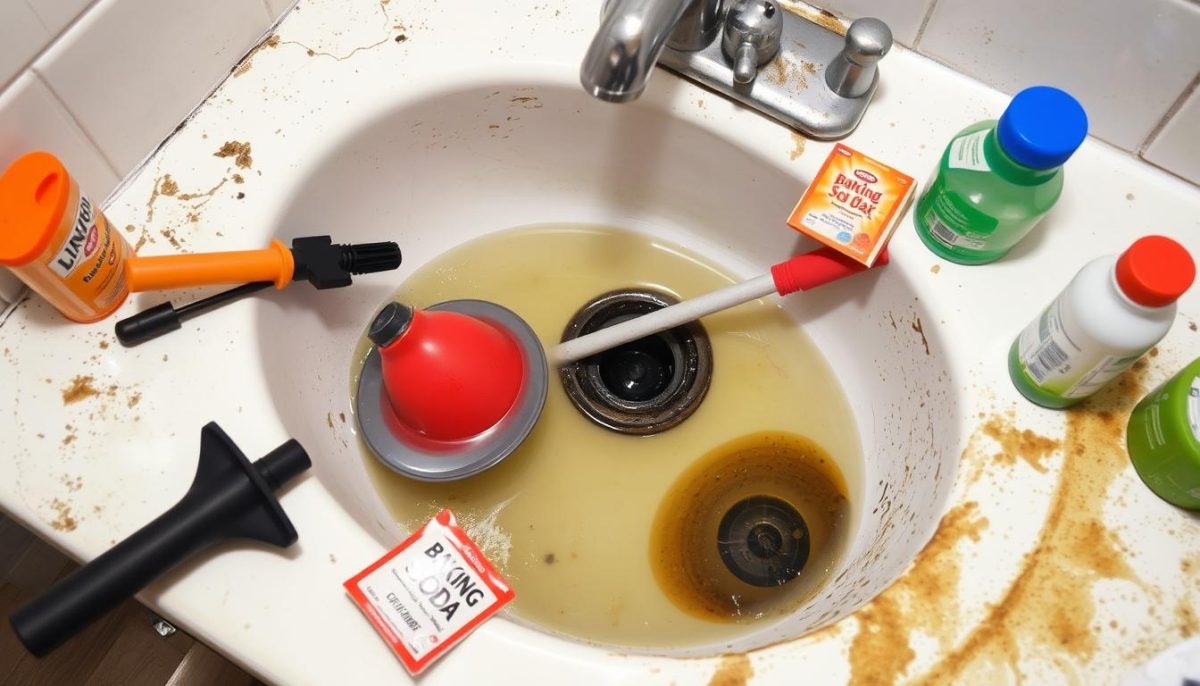
Australians spend a significant amount on plumbing services, mainly for dealing with blocked drains.
- When home remedies don’t work, professional plumbing services have the advanced tools to tackle difficult blockages.
- Companies like Right Now Plumbing in Adelaide offer 24/7 emergency drain clearance, even providing a 15% discount on online bookings.
Choosing professional plumbers means using the right equipment like drain jetters and CCTV cameras. This approach is crucial when DIY methods fail. If you’re unsure about when to call a plumber, remember that expert intervention can save time, money, and protect your plumbing system.
About failed drain unclogging: regular maintenance from experts can catch problems early. Hiring professionals ensures efficient drains and helps avoid future issues.
- Recognise when DIY methods have failed and don’t hesitate to seek professional plumbing services.
- Utilise offers from local plumbing companies for emergency services.
How Professionals Unclog Drains
When you’re dealing with a difficult drain blockage, turning to the experts is a wise decision. Professionals have state-of-the-art techniques and tools to resolve even the most challenging clogs. Their approach guarantees that your plumbing system will operate smoothly. Below is an insight into their process:
Finding the Blockage
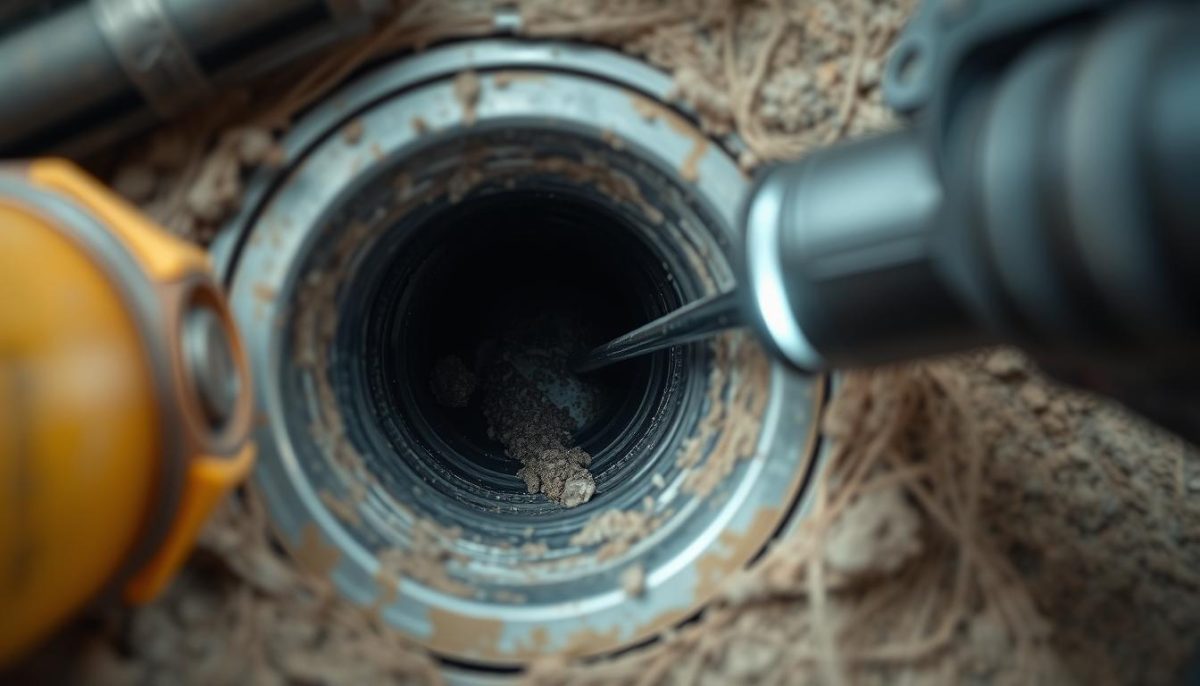
Plumbers employ CCTV drain inspection to accurately find the blockage’s origin. This advanced technology enables them to view deep inside the drain, up to 50 or 60 meters. It helps them easily pinpoint the problem and determine the appropriate solution.
Unblocking the Drain
Identifying the blockage is followed by deploying professional unblocking services. Techniques vary from manual ones, like hand augers for up to seven meters, to electro-mechanical cleaning. The latter uses a motorized cable with blades to cut through grease, hair, and other debris.
Relining the Drain
For pipes that are damaged, pipe relining solutions are utilized. This innovative method fixes pipes internally, negating the need for major excavation work. A resin-coated liner is inserted and then hardens, forming a new pipe inside the old one, thus restoring pipe integrity.
Using CCTV for Drain Inspection
The drain inspection camera is a critical tool for professionals. It’s essential for spotting blockages, assessing pipe damage, and identifying weak areas. Experts recommend getting your pipes checked every two years to keep your plumbing system in top shape.
Hydro Jetting
Hydro jetting is the solution for severe clogs. It cleans drains with high-pressure water, removing stubborn build-ups without damaging the pipes. Unlike power washers, the controlled pressure of hydro jetting safely and effectively clears blockages.
Experts use a blend of drain inspection, professional unblocking services, and pipe relining solutions to keep your drains functional. Seeking their help is the best move to avoid further issues and expensive fixes.
Preventing Future Clogs
To keep your drains clear, consistent drain maintenance and clog prevention strategies are essential. Regularly following maintenance routines and using the right tools helps avoid blockages. This ensures your plumbing system remains efficient.
Regular Maintenance Tips
Maintaining your drains regularly is vital to prevent blockages. A few simple tips can greatly help:
- Keep outdoor areas clean by removing leaves and debris from drains.
- Brush hair before showering to prevent hair from clogging the drain.
- Dispose of fats and oils in a container, not down the sink.
- Use drain covers to catch debris and prevent it from entering your pipes.
- Check for and repair broken pipes promptly to prevent more severe issues.
Tools You Can Use
There are many plumbing care tools available to assist in keeping your drains clear:
- Plungers: Effective for dislodging initial blockages in sinks and toilets.
- Drain Covers: Devices like TubShroom and Kitchen SinkShroom effectively catch hair and food particles.
- Drain Snakes: Flexible cables designed to clear clogs or obstructions in pipes.
- Strainers: Useful for catching larger food particles in sinks, preventing drain entry.
- Boiling Water: Helps in dissolving grease and soap scum build-up with regular use.
Utilizing these plumbing care tools along with routine drain maintenance can drastically lower blockage chances. Remember, the key to a smooth drainage system is effective clog prevention strategies.
How to Unclog a Drain
Confronting a clogged drain can seem overwhelming, yet it’s entirely feasible with proper methods. Whether it’s a kitchen sink stopped by food and grease or a bathroom drain clogged with hair and soap scum, various DIY techniques are available. Knowing when these methods suffice or when to call professionals is key.
Common DIY Methods
The mix of boiling water, baking soda, and vinegar is a well-known remedy. Initially, boiling water helps dissolve minor blockages. Adding baking soda followed by vinegar causes a fizzing action, aiding in loosening the clog. For more stubborn clogs, a plunger might work, particularly with a solid seal, as plumbing specialist Richard Trethewey suggests.
Should these steps fail, a drain or plumbing snake serves as a next step. It’s stellar for removing hair and other debris from pipes. Such mechanical approaches are preferable and greener than chemical alternatives. Yet, products like Liquid-Plumr, featuring sodium hydroxide and sodium hypochlorite, offer a potent fix for tougher clogs.
When to Call a Professional
DIY approaches can tackle many blockage issues, yet sometimes professional intervention is mandatory. Constant clogs that resist home remedies might signal deeper problems. Professional plumbers utilize tools like power augers and hydro-jets for severe and complex blockages, providing a critical solution.
Repeated drainage problems suggest the necessity for professional evaluation to find and solve systemic issues. Implementing preventative strategies like drain strainers and enzymatic cleaners helps. Still, professional inspections guarantee your system’s durability and performance.
FAQ
What are some common DIY methods to unclog a drain?
What causes drains to get clogged?
Which types of drains are most likely to get clogged?
What are the signs of a blocked drain?
What are the first things to try when unclogging a drain?
How do you use a plunger effectively?
Can you use a coat hanger to unclog drains?
When should you use a drain snake and how?
Is hot water effective for clearing grease clogs?
How does the baking soda and vinegar method work?
What are the pros and cons of using commercial drain cleaners?
Can Coke or Pepsi help unclog drains?
What should you do if DIY methods fail?
How do professionals unclog drains?
How can you prevent future clogs?
When should you consider calling a professional for drain issues?
